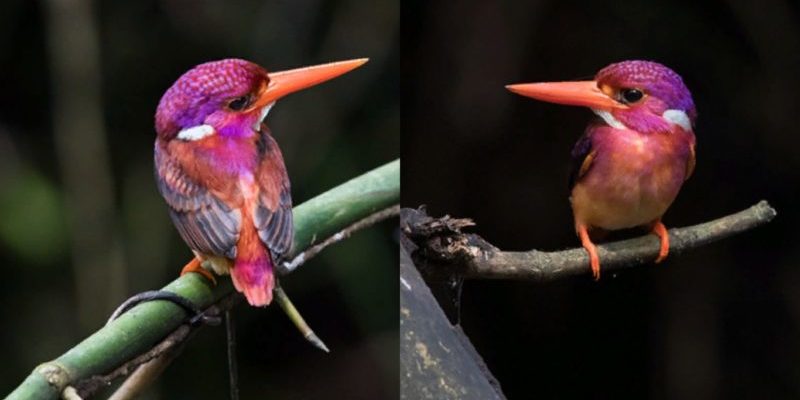
This pixie like bird was first portrayed in 1890, however it isn’t until 130 years after the fact that we at long last get the opportunity to respect its excellence in high-goal pictures.
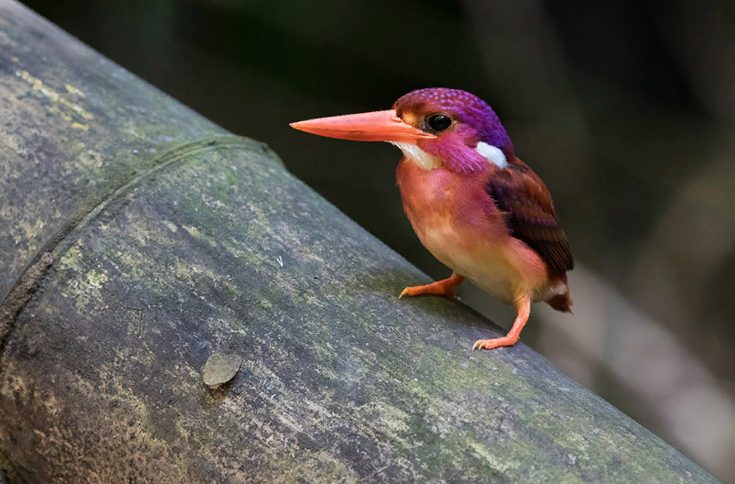
Meet the South Philippine bantam kingfisher, a striking critter that is simply too wonderful to ever be valid.
Robert S. Kennedy Bird Conservancy’s chief Miguel David De Leon and his group have been buckling down for quite some time directly to report this bird’s ways of behaving.
As a Filipino field researcher, De Leon is just intrigued by the vivid untamed life of this archipelagic country.At Mapawa Nature Park, the group found two settling destinations of the South Philippine bantam kingfisher, however tragically only one of them stayed immaculate.
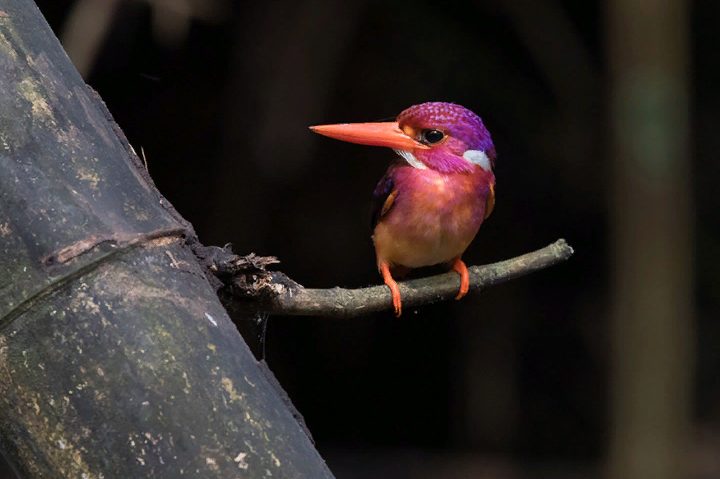
As we can find in the photographs, that novel bird looks unimaginably exquisite with metallic lilac and orange coat, orange mouth, yellowish paunch and a few blue spots on its head.
South Philippine bantam kingfisher (Ceyx mindanensis) is an individual from the family Alcedinidae that is local to the Philippines.
The bird was first depicted in 1890 by American ornithologist Joseph Beal Steere through an article named “Steere Expedition to the Philippines”, in which he referenced a rundown of the birds and vertebrates with areas and a few brief starter portrayals of assumed new species.
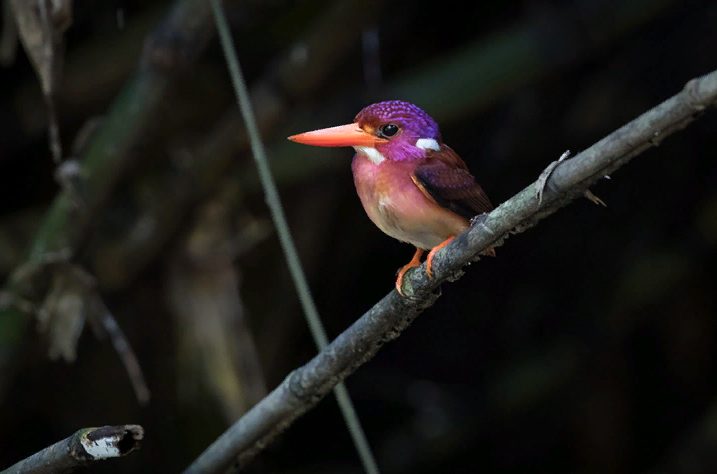
As per what researchers have found up until this point, it is potentially the littlest types of timberland kingfisher in this country.
This bird benefits from considerably smaller animals, including night crawlers, little reptiles, and other invertebrates.
This beguiling species is seen in the virgin and second-development backwoods in the islands of Mindanao and Basilan.
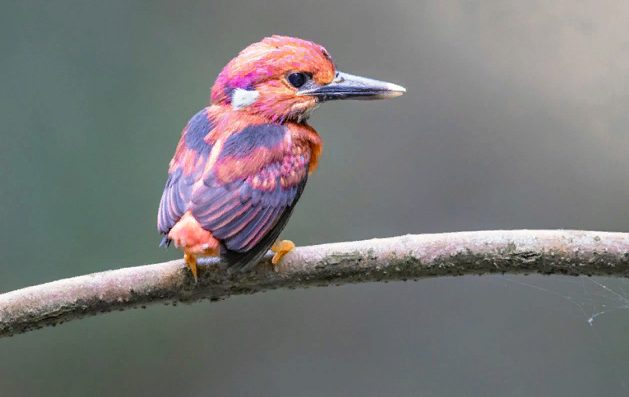
Obviously, it is certainly difficult to get a brief look at this wonderful animal as it has a propensity for roosting actually discreetly and dashing undetectably roost to roost.
Sadly, this wonderful birdy is getting increasingly close really close to termination because of environment annihilation, poaching and environmental change.
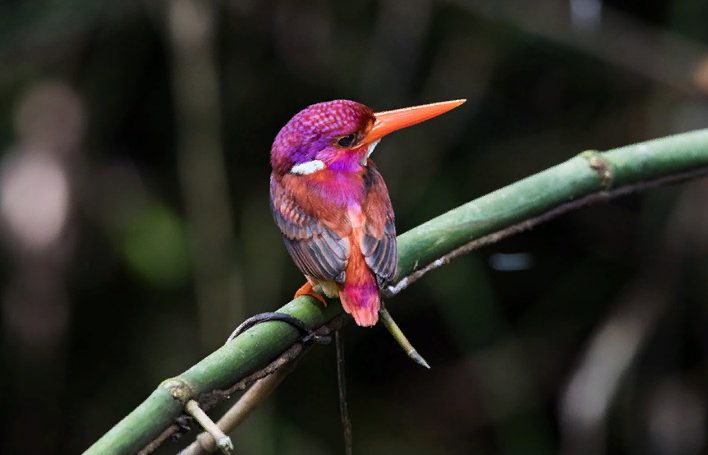
“The greatest danger to the downfall or loss of our endemic and native species is living space misfortune,” De Leon says. “Hunting and catching for food or the unlawful pet exchange are contributory elements also.
Socially, sporting firing of birds utilizing airguns or slingshots comes down on bird populaces.”


